 Denpasar · Ubud · Gianyar
Bali Leather Handbags for Global Markets
Discover our range of authentic leather handbags, handcrafted in Bali with premium materials. Perfect for wholesalers and retailers seeking unique products with a touch of Balinese artistry.
What are you sourcing?
Tell us what you need and we'll guide you to the right options and next steps.
For international buyers seeking quality leather goods, Bali leather handbags present a compelling opportunity. Produced in the artisan-rich areas of Denpasar, Sukawati, and Ubud, these handbags combine traditional craftsmanship with modern design capabilities. Buyers benefit from the flexibility of small minimum order quantities and the ability to customize designs, all while enjoying competitive pricing. Bali’s leather industry, part of Indonesia’s renowned manufacturing base, is adept at meeting the demands of global markets, making it an attractive choice for brands looking to expand their offerings.
Understanding Bali’s Leather Craftsmanship
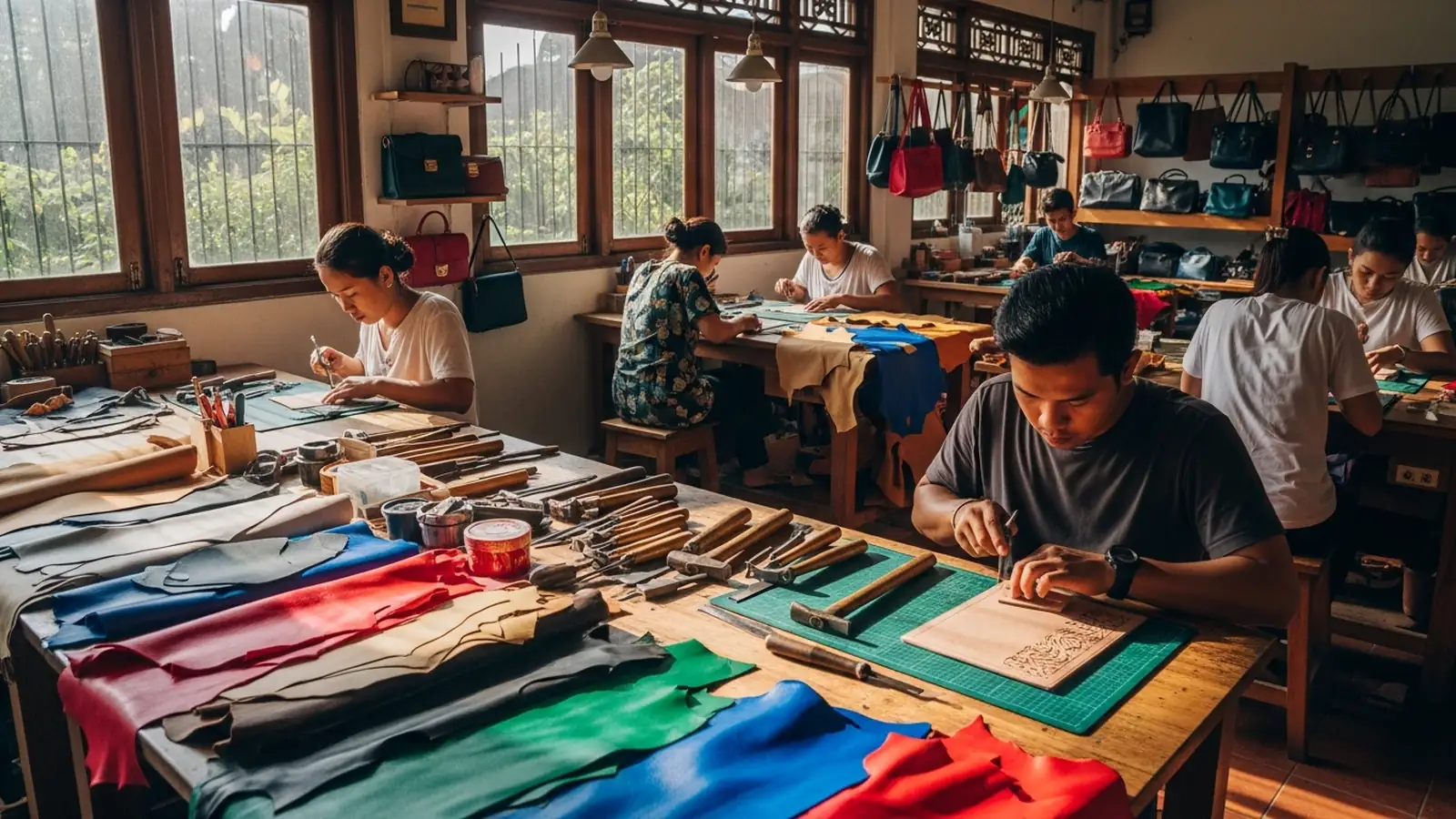
Bali is a key player in Indonesia’s leather goods sector, particularly known for its small and medium-sized workshops that specialize in leather handbags. These workshops, concentrated in Denpasar, Sukawati, and Ubud, produce a diverse range of products for export. The leather used is primarily cowhide and goatskin, known for their durability and versatility. Higher-end products might incorporate Italian or Turkish leather, sourced through Jakarta or Surabaya tanneries. The craftsmanship in Bali reflects a blend of traditional techniques and modern innovations, ensuring each handbag meets high-quality standards. Buyers can expect a range of finishes, including full-grain, top-grain, and nubuck, catering to various market preferences. The artisans often employ hand-stitching techniques and intricate detailing, which adds an element of uniqueness to each piece. This meticulous attention to detail not only enhances the aesthetic appeal but also contributes to the durability and longevity of the products.
Competitive Pricing and MOQ Flexibility
Bali leather handbags are competitively priced, with mid-range handmade pieces typically costing between USD 20 and 60. Basic models may be priced below USD 20, while premium designer-level pieces can exceed USD 80. This pricing structure allows buyers to cater to different market segments effectively. Additionally, Bali workshops offer flexible minimum order quantities, often accepting trial orders of 10–30 pieces per style. Larger factories may require 50–100+ pieces. This flexibility is crucial for brands testing new designs or entering new markets, allowing them to manage inventory risks effectively. The ability to start with smaller orders reduces upfront investment, making it easier for new brands to enter the market. Furthermore, competitive pricing doesn’t compromise quality, as workshops ensure each piece meets stringent quality controls, providing excellent value for money.
Customization Options for Unique Branding
One of Bali’s significant advantages in the leather handbag industry is its ability to accommodate custom designs. Buyers often provide sketches, photos, or tech packs, with sample costs ranging from USD 30 to 150 per prototype. Custom branding options include embossed logos, metal logo plates, and branded dust bags, widely available through local vendors. This level of customisation enables brands to maintain their unique identity while leveraging Bali’s skilled craftsmanship. The capacity to tailor products to specific market needs is a decisive factor for many international buyers. Additionally, workshops in Bali are adept at incorporating various design elements such as unique stitching patterns, color combinations, and hardware finishes, allowing brands to create standout products that resonate with their target audience. This customization capability ensures that each handbag not only meets functional requirements but also aligns with the brand’s aesthetic vision.
Efficient Production and Shipping Processes
The production lead time for custom leather handbags in Bali is typically 3–6 weeks after deposit and sample approval. However, this timeline can extend during peak tourism or holiday seasons. International buyers generally pay a 30–50% deposit upon order confirmation, with the balance due before shipment. Smaller orders, typically under 100 pieces, ship via express air courier, while larger shipments consolidate in Denpasar and export via Surabaya or Jakarta seaports. This efficient process ensures timely delivery and helps maintain product quality during transit. Additionally, many suppliers offer tracking services, providing buyers with real-time updates on their shipments. This transparency in the shipping process helps build trust and confidence among international buyers, as they can monitor their orders’ progress and anticipate delivery timelines accurately.
Quality Control and Inspection Standards
To ensure the highest quality standards, serious buyers often engage third-party inspection services in Indonesia. These services conduct pre-shipment quality checks, verifying stitching, hardware function, and color consistency. Color variation is a known challenge, especially with hand-dyed leathers, but minor variations are generally accepted within tolerance levels. Inspections help mitigate risks of defects and ensure that buyers receive products meeting their specifications. This proactive approach underscores the importance of quality assurance in maintaining brand reputation and customer satisfaction. In addition, suppliers often provide detailed quality reports outlining the inspection criteria and results, offering buyers further peace of mind. Establishing clear quality expectations and maintaining open communication with suppliers can significantly reduce the likelihood of receiving subpar products.
Regulatory Compliance and Export Documentation
Exporting leather handbags from Indonesia involves navigating a series of regulatory requirements. Companies must have a business identification number (NIB) and customs registration to ship goods legally. Handbags are classified under HS Code 4202, affecting import duties in the buyer’s country. Importers in the USA must comply with CBP regulations, including correct tariff classification. In the EU, compliance with REACH chemical regulations is necessary. Proper labeling with “Made in Indonesia” and material composition is mandatory in most markets. Adhering to these regulations ensures smooth customs clearance and avoids potential legal issues. Buyers should also be aware of any specific packaging and labeling requirements imposed by their home countries to avoid delays. Engaging experienced logistics partners familiar with international trade regulations can streamline the export process and ensure compliance at every stage.
Environmental Considerations and Sustainability
Bali’s leather industry is increasingly aware of environmental impacts and sustainability. Tropical humidity poses a risk to leather goods, so exporters use desiccant packs and ventilated cartons to minimize mold during transit. Additionally, many workshops are not fully integrated, sourcing tanned leather from Java, which influences lead times and costs. By focusing on sustainable practices, Bali’s leather workshops aim to reduce their environmental footprint while meeting international buyers’ growing demand for eco-friendly products. Buyers are encouraged to discuss sustainability initiatives with suppliers to align with their environmental goals. Many workshops are adopting eco-friendly tanning processes, reducing water usage, and minimizing chemical waste. Collaborating with suppliers who prioritize sustainability can enhance a brand’s image and appeal to environmentally conscious consumers.
Trends in Global Leather Handbag Markets
The global market for leather handbags is continuously evolving, influenced by changing consumer preferences and fashion trends. A growing interest in sustainable and ethically sourced products has led many buyers to seek out suppliers who prioritize environmentally friendly practices. Additionally, there is a rising demand for personalization, with consumers looking for unique, customized products that reflect their personal style. Bali’s ability to offer bespoke leather handbags positions it well to meet these demands, providing buyers with the flexibility to adapt to market trends and consumer preferences. Furthermore, the increasing popularity of online retail and direct-to-consumer sales channels is driving demand for visually appealing, high-quality products that can stand out in a crowded marketplace. By staying attuned to these trends, Bali’s leather manufacturers can continue to offer products that resonate with global consumers and maintain their competitive edge.
Building Strong Supplier Relationships
Developing a strong relationship with suppliers in Bali can significantly enhance the success of importing leather handbags. Clear communication regarding design expectations, quality standards, and delivery timelines is crucial. Regular visits to workshops can help buyers understand the production process, establish trust, and ensure alignment on business objectives. Additionally, fostering long-term partnerships can lead to better pricing, priority production slots, and collaborative problem-solving. By investing in these relationships, buyers can secure a reliable supply chain that supports their brand’s growth and market presence. Mutual respect and understanding between buyers and suppliers can also lead to more innovative product offerings, as both parties work together to develop new designs and improve existing ones. Establishing a strong network of trusted suppliers can provide a competitive advantage, enabling brands to respond swiftly to market changes and consumer demands.
For more information about our offerings and how Bali leather handbags can enhance your product line, please visit our About Us page or Contact Us directly. We are committed to providing exceptional service and high-quality products that meet your business needs.